Reviewing the Thanksgiving Food 3D Layered Paper Cut Design
As a designer who spends half my life staring at digitized files and the other half watching needles punch through fabric, I have learned to be skeptical of trends. The current surge in 3D SVG aesthetics is fascinating, but it presents a unique challenge for those of us working in thread rather than cardstock. Recently, I took a close look at the Thanksgiving Food 3D Layered Paper Cut design to determine if this visual style translates effectively into a functional machine embroidery design for real-world applications.
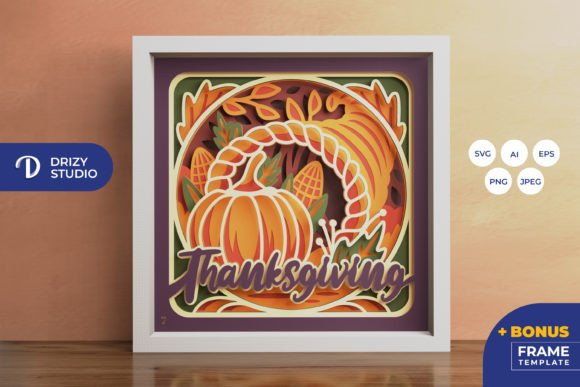
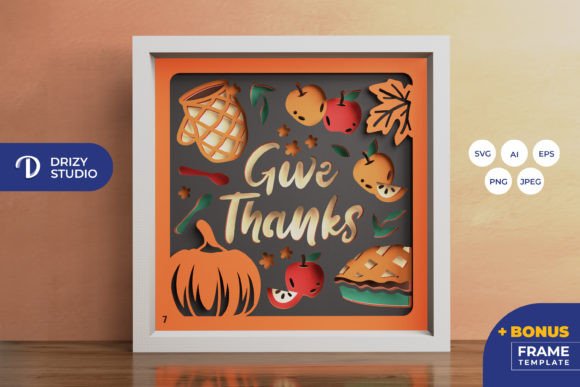
The concept is undeniably charming. It mimics the intricate, shadow-box effect of layered paper crafting, featuring iconic Thanksgiving foods arranged in a square, depth-oriented layout. For an embroidery professional, the immediate question is not just whether it looks good on a screen, but how it behaves under the presser foot. Does the illusion of depth hold up when rendered in satin and fill stitches? Can it survive the wash cycle of a family dinner aftermath? Let’s break down the practical realities of using this asset in your next embroidery project.
First Impressions: Mood and Visual Personality
The first thing that strikes you about the Thanksgiving Food 3D Layered Paper Cut is its warmth. It captures the cozy, abundant spirit of the holiday without relying on cliché turkeys or overly complex pilgrim figures. Instead, it focuses on the food—the heart of the gathering. The layered approach creates a sense of dimension that is visually engaging. In a digital format, these layers are distinct shapes. In embroidery, however, we must translate those flat layers into texture.
This design feels native to home decor and boutique apparel. It has a handmade, artisanal quality that appeals to customers looking for something beyond mass-produced retail goods. For an Etsy seller or a small shop owner, this aesthetic signals quality and attention to detail. It suggests a personalized gift that was thoughtfully created, which is exactly the vibe modern consumers are seeking during the holiday season.
Real-World Application: From Screen to Stitch
To truly test the viability of this design, I imagined it applied to several common custom apparel and home goods scenarios. The most natural fit, in my opinion, is a high-quality cotton tote bag. A tote bag design benefits from bold, clear imagery, and the square composition of this paper-cut style fits perfectly within standard hoop constraints. The contrasting thread colors required to mimic the paper layers would pop beautifully against a natural canvas or a deep autumnal fabric like burgundy or forest green.
Another strong candidate is sweatshirt embroidery. Imagine this design placed on the left chest of a crewneck or centered on the back of a zip-up hoodie. The layered food items—pumpkins, pies, and harvest vegetables—create a festive statement piece that isn’t too loud. However, here is where the designer’s eye must intervene. The "3D" effect in paper cutting relies on shadows. In embroidery, we achieve this through thread color variation and stitch direction. You cannot simply rely on the shape; you must ensure your thread colors have enough contrast to define each layer. If the tones are too similar, the design will flatten out, losing its signature depth.
For those considering baby embroidery, such as on a onesie or a bib, caution is advised. While the theme is wholesome, the complexity of the layers might result in a higher stitch count than necessary for delicate infant skin. Always prioritize comfort. If you proceed, ensure the backing is soft and the stitch density is optimized to prevent stiffness.
Navigating Technical Challenges
Working with a design inspired by Shadow Boxes requires a keen understanding of stitch density. Paper cuts have sharp, clean edges. Embroidery, by nature, has texture. To maintain the crispness of the Thanksgiving Food 3D Layered Paper Cut, you must pay close attention to your stabilizer choice. A cut-away stabilizer is likely necessary for garments that will be washed frequently, while a tear-away might suffice for decorative pillows that see less wear.
One area where this design demands respect is in the smaller details. Tiny corners and intricate intersections between food items can easily become cluttered if the needle penetration is too dense. I recommend running a test on scrap fabric identical to your final product. Check for puckering, especially if you are working with stretchy fabrics or thin materials. If you are embroidering on a curved surface, like a cap, the square layout may require careful hooping to ensure the design does not distort. Caps are notoriously difficult for geometric designs, so this might be better suited for flat panels or patches.
Speaking of patches, an embroidered patch could be an excellent way to utilize this design. By stitching it onto twill and then cutting it out, you preserve the integrity of the layers without worrying about the garment fabric underneath. This is a smart workaround for commercial embroidery projects where consistency and durability are paramount.
Enhancing Product Value and Brand Consistency
Why choose this specific design over a standard turkey clipart? Because it elevates the perceived value of the finished product. Customers associate complexity with effort. When they see the layered effect of the Thanksgiving Food 3D Layered Paper Cut, they perceive a higher level of craftsmanship. This helps justify a higher price point for your handmade product.
Furthermore, this design supports brand consistency for sellers focusing on modern, rustic, or artisanal aesthetics. It fits seamlessly into a collection of holiday embroidery items that feel curated rather than generic. Whether you are creating printable mockup assets for your online store or photographing physical items for social media, the visual appeal of this design drives engagement. It stops the scroll. It invites the viewer to look closer, to appreciate the nuance of the layers.
Practical Designer Notes for Best Results
Before you commit to production, keep these practical tips in mind:
- Test on Scrap Fabric: Never skip this step. Verify that the hoop size you plan to use accommodates the entire square layout without trimming edges.
- Check Thread Contrast: Use a color chart to ensure each layer is distinct. Simulate the design in black and white to check for value contrast. If the layers blend together in grayscale, they will blend together in color.
- Review Stitch Types: Determine if the design uses satin stitch for borders and fill stitch for larger areas. Adjust densities if your machine tends to pull lightweight fabrics.
- Confirm Licensing: If you plan to sell items made with this digital embroidery file, verify the license terms. Ensure you have commercial rights if you are a craft business owner.
- Consider the Background: This design will look vastly different on white versus dark fabric. Plan your thread palette accordingly. Dark fabrics may require an underlay or a lighter base thread to make the colors pop.
In conclusion, the Thanksgiving Food 3D Layered Paper Cut is a compelling asset for the thoughtful designer. It bridges the gap between digital art and tactile craft. While it requires careful handling regarding density and color selection, the result is a sophisticated, festive design that enhances any small shop product line. It is not just a file; it is an opportunity to create memorable, high-quality heirlooms for the holiday season.