Reviewing Autumn Mushroom Garden 3D Layered for Stitchers
As a designer who spends half my life digitizing and the other half stitching, I approach every new machine embroidery design with a mix of excitement and skepticism. We have all been there: you download a file that looks stunning on the screen, only to find it puckers the fabric or loses its charm once the needle hits the cloth. Recently, I spent some time evaluating Autumn Mushroom Garden 3D Layered. While the product description references a "3D SVG" and "Shadow Boxes" typically used in paper crafting, my focus was strictly on how this aesthetic translates to thread and fabric for real-world applications.
First Impressions: Mood and Visual Personality
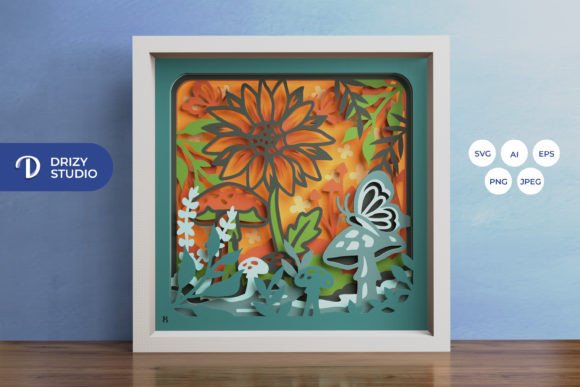
The immediate appeal of Autumn Mushroom Garden 3D Layered is its atmospheric warmth. The composition suggests a cozy, woodland vibe that fits perfectly into the current trend of cottagecore and nature-inspired decor. Visually, the layering effect is the standout feature. In a digital embroidery file, this usually translates to varied stitch heights or overlapping elements that create depth without requiring actual 3D hardware.
The layout feels balanced, with organic shapes that mimic the irregular growth of fungi and foliage. For an embroidery designer, this is promising because organic lines are generally more forgiving than rigid geometric ones. The visual personality is gentle yet detailed, suggesting it would work best as a focal point rather than a subtle accent. It commands attention, which is exactly what you want for a centerpiece design on a tote bag or a pillow cover.
Real-World Application: From Screen to Stitch
To test the viability of this design, I imagined a specific client project: a custom embroidered tote bag for a local botanical shop. The client wanted something that felt handmade and earthy, avoiding the sterile look of mass-produced prints. Autumn Mushroom Garden 3D Layered seemed like the ideal candidate.
When considering custom apparel or accessories, the scale is everything. On a canvas tote, the layered mushrooms would provide excellent texture. The interplay of light and shadow created by the different stitch types—likely a mix of satin stitch for outlines and fill stitch for the caps—would give the bag a premium feel. However, I also considered a sweatshirt application. For sweatshirt embroidery, the design needs to hold up against the bulk of the fleece. The layered aspect here is beneficial; it allows for strategic placement of heavier stitches where the fabric can support them, while keeping lighter areas flexible.
For Etsy sellers and small shop owners, versatility is key. This design could easily transition from a home decor item, like a nursery pillow, to a wearable piece, such as a denim jacket back patch. The autumnal theme makes it particularly strong for seasonal releases, driving sales during the fall months when customers are looking for cozy, harvest-themed personalized gifts.
Technical Considerations and Fabric Compatibility
While the aesthetic is strong, the technical execution requires careful planning. The term "3D Layered" implies density. In embroidery, density is a double-edged sword. It creates richness but can cause puckering if not managed correctly.
If you are working with thin fabric or lightweight cottons, such as those used for baby clothes or kitchen towels, you must be cautious. A dense applique design or heavy fill can distort delicate materials. I recommend using a cut-away stabilizer for maximum support, especially if the final product will be washed frequently. For stretchy fabrics like jersey knits used in t-shirts, a hoop-within-a-hoop method or strong tear-away stabilizer might be necessary to prevent the design from warping the garment.
Another critical factor is hoop size. Since the original context mentions a square paper-cutting template, ensure your embroidery hoop can accommodate the full width and height of the design without cropping essential details. If the design is large, you may need a 5x7 or 6x10 hoop. Always check the dimensions in the file metadata before starting. Trying to squeeze a large, detailed design into a 4x4 hoop will result in lost detail and potential thread breaks.
Navigating Challenges: Curves and Corners
One area where Autumn Mushroom Garden 3D Layered requires scrutiny is in the fine details. Mushroom gills and small leaf veins can be tricky. If the digitizing uses too many running stitch elements in tiny areas, they may not show up clearly on textured fabrics like linen or towel material.
For curved surfaces, such as caps or hats, this design might be challenging. The layered effect relies on flat presentation to achieve the 3D illusion. On a curved cap panel, the perspective could shift, making some layers look distorted. I would advise testing this on a flat surface first. If you must use it on a cap, consider simplifying the background layers to reduce bulk under the needle.
Dark fabrics present another hurdle. If the design relies on subtle color gradients to show depth, it may get lost on black or navy fabric. In such cases, you might need to adjust the thread colors to higher contrast options or add a light-colored underlay to make the details pop. Always test your thread palette on scrap fabric before committing to the final piece.
Enhancing Product Value and Brand Consistency
From a business perspective, the quality of your design assets directly impacts customer trust. A well-executed version of Autumn Mushroom Garden 3D Layered can elevate a simple handmade product into a boutique-level item. Customers associate intricate, layered embroidery with higher value and effort.
For commercial embroidery projects, consistency is vital. If you are producing multiple items, ensure your tension settings are calibrated so that each layer sits correctly. Inconsistent stitching can make a professional product look amateurish. Using this design in your portfolio or printable mockup previews can also attract buyers who appreciate artistic depth, helping you stand out in a crowded marketplace.
Practical Designer Notes for Best Results
Before you launch into production, here are my top recommendations for working with this type of layered design:
- Test on Scrap First: Never stitch directly on your final garment. Use the same fabric and stabilizer combination to check for puckering or thread breaks.
- Check Stitch Density: If the file allows, review the density map. High-density areas may need thinner threads or slower machine speeds to prevent overheating and breakage.
- Contrast is Key: Ensure your thread colors have enough contrast to distinguish the layers. Monochromatic schemes can look muddy if the shading isn't precise.
- Verify Licensing: The product description mentions "Shadow Boxes" and SVGs, which often have different licensing terms than embroidery files. Confirm whether the file includes commercial use rights for physical goods if you plan to sell finished items.
- Inspect Small Details: Zoom in on the digitized file. Look for stray stitches or overly complex jumps that could slow down your machine or create messy backs.
In conclusion, Autumn Mushroom Garden 3D Layered offers a compelling visual narrative for embroidery projects. Its strength lies in its ability to create depth and atmosphere, making it ideal for fall-themed decor and apparel. However, success depends on respecting the technical demands of layered stitching. By choosing the right fabrics, stabilizers, and thread combinations, you can transform this digital concept into a tangible, high-quality finished product that delights customers and enhances your brand reputation.