Halloween Ghost 3D Shadow Box: A 3D SVG Review
As a brand designer who has spent years refining visual identities for lifestyle brands and seasonal campaigns, I approach every new graphic design asset with a critical eye. It is not just about whether an image looks cute; it is about whether it communicates the right mood, maintains visual hierarchy, and supports the broader narrative of a marketing campaign. Recently, I integrated the Halloween Ghost 3D Shadow Box into a content kit for a small business client launching a limited-edition autumn collection. This review breaks down how this layered paper-cutting template performs in real-world professional branding scenarios.
First Impressions: Mood and Audience Perception
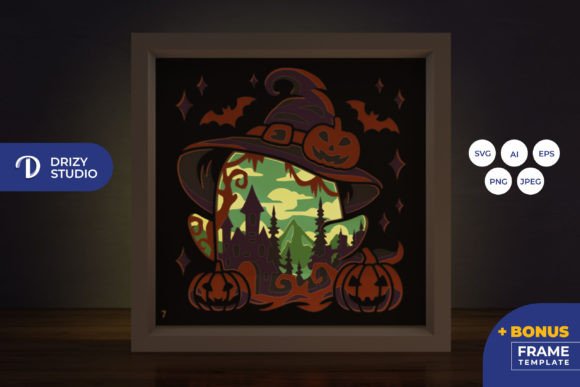
The moment I opened the file, the depth of the design stood out. Unlike flat clipart that can sometimes feel generic or disconnected from premium branding, this Shadow Boxes style asset offers a tangible sense of dimension. The layered square paper-cutting technique creates a shadow effect that mimics physical craft, which is incredibly popular in current modern design trends. For my client, a boutique seller of handmade home decor, this aesthetic was perfect. It bridges the gap between digital precision and handmade charm.
The mood is playful yet sophisticated. It avoids the overly scary or grotesque elements often associated with Halloween, making it suitable for family-friendly brands, lifestyle bloggers, and cozy retail environments. When placed against a dark background, the ghost pops with a subtle glow, creating an emotional tone of whimsical mystery. This is crucial for audience trust; consumers are more likely to engage with visuals that feel curated and intentional rather than slapped together. For small business branding, this level of polish signals quality before the customer even reads the product description.
Integrating the Asset into Marketing Workflows
In our campaign, we used the Halloween Ghost 3D Shadow Box across multiple touchpoints. Its versatility as a digital product allows it to shine in various formats. Here is how it performed in specific marketing channels:
- Social Media Graphics: We used the PNG version for Instagram posts and Pinterest pins. The intricate layers caught the eye in crowded feeds, driving higher engagement rates compared to our previous flat illustrations.
- Email Banners: Placed as a header element, it set the seasonal tone immediately without overwhelming the call-to-action buttons.
- Packaging Design: We scaled the vector file for product labels and box inserts. The clean lines held up well even when printed on textured paper, enhancing the unboxing experience.
- Digital Ads: For Facebook and Instagram ads, the high contrast of the shadow box style ensured visibility on mobile screens, a critical factor for click-through rates.
This adaptability makes it a valuable addition to any design bundle for content creators. Whether you are building a Canva template for clients or designing custom marketing visuals for your own store, the asset saves time while elevating the final output.
Strategic Branding and Visual Hierarchy
One of the biggest challenges in seasonal marketing is maintaining brand consistency while embracing holiday themes. The Halloween Ghost 3D Shadow Box supports this balance effectively. Because it is a 3D SVG file, it is fully editable. I adjusted the colors to match my client’s existing palette—swapping traditional orange and black for muted sage green and cream. This simple tweak ensured the ghost felt like part of their brand identity rather than an intrusive seasonal add-on.
From a content marketing perspective, the asset helps establish a clearer visual hierarchy. The depth draws the eye to the center of the composition, allowing designers to place text or logos in the negative space around the layers. This is particularly effective for editorial design in blog headers or lead magnets where readability is paramount. By using the ghost as a framing device rather than just a decoration, we created a more memorable campaign visual that reinforced professional branding standards.
Where This Design Asset Shines
Based on my testing, this asset works best in contexts where atmosphere and emotion are key drivers. It is ideal for:
- Hero Graphics: Website headers or landing page banners where you need to capture attention instantly.
- Product Launch Visuals: Adding a festive touch to new arrivals without distracting from the product itself.
- Branded Templates: Creating reusable social media frames for ongoing seasonal content.
- Decorative Brand Elements: Enhancing media kits or press releases with a touch of personality.
The layered nature of the illustration adds a tactile quality that resonates well with audiences interested in crafts, DIY, and home aesthetics. It transforms standard digital ads into something that feels more like art, increasing perceived value.
Limitations and Careful Usage
While versatile, the Halloween Ghost 3D Shadow Box is not a one-size-fits-all solution. As a designer, I advise caution in the following areas:
- Formal Corporate Branding: The whimsical nature may clash with serious financial or legal services unless used very subtly.
- Dense Information Layouts: The intricate layers can compete with small text. Avoid placing it behind paragraphs or complex data charts.
- Low-Contrast Backgrounds: If the background color is too similar to the shadow layers, the 3D effect disappears. Always test contrast ratios.
- Small Mobile Graphics: In tiny icons or favicons, the details may become muddy. Simplify or use a solid silhouette version for these cases.
Additionally, for overly minimal brands, ensure the asset does not look out of place. It works best when paired with clean, sans-serif fonts or elegant serif typefaces that complement its structured layers.
Practical Designer Notes for Implementation
To get the most out of this SVG design, follow these practical steps before launching your campaign:
First, test it with your brand color palette. Do not rely on default colors. Customize the layers to align with your primary and secondary brand hues. Second, check black and white usage. Ensure the design remains recognizable when printed in monochrome, which is common for cost-effective packaging inserts.
Third, place it inside real campaign mockups. View the asset on mobile screens, tablets, and desktops to confirm scalability. Fourth, review spacing and balance. Give the ghost enough breathing room; crowding it with other elements diminishes its impact. Finally, always confirm commercial licensing. If you are using this for client work or paid advertisements, ensure your purchase from the creative marketplace includes the appropriate commercial license to avoid legal issues.
In conclusion, the Halloween Ghost 3D Shadow Box is a powerful tool for designers and marketers looking to elevate their seasonal content. It offers the flexibility of a printable design with the convenience of a digital product, making it a smart investment for anyone serious about visual content creation.