Amsterdam Canal 3D SVG Shadow Boxes Review
As a digital product creator who has spent years navigating the shifting tides of online marketplaces, I approach every new graphic design asset with a critical eye. It is not enough for a file to look pretty in a preview; it must perform commercially. Recently, I integrated the Amsterdam Canal 3D Shadow Box into my workflow to evaluate its potential for my upcoming European travel-themed collection. This layered, square paper-cutting template captures the essence of the "Venice of the North," offering a sophisticated aesthetic that appeals to a specific, high-value demographic. Here is my practical assessment of how this asset functions in a real-world selling environment.
First Impressions and Niche Appeal
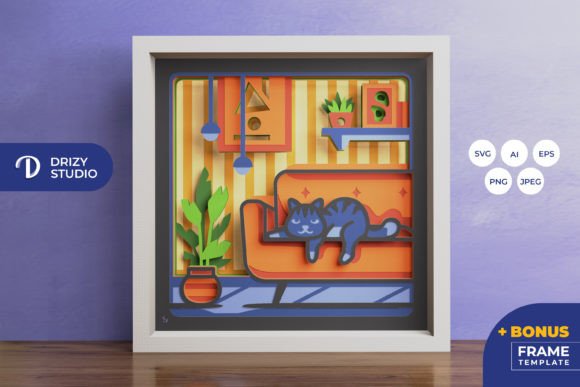
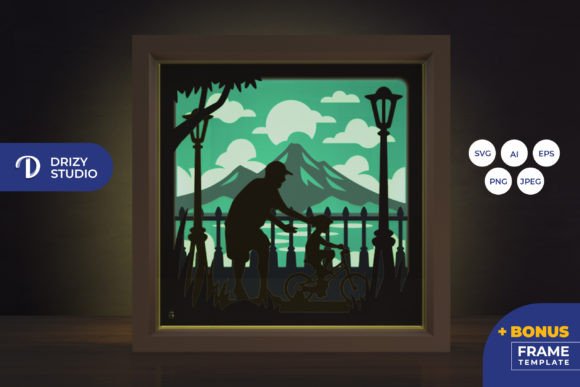
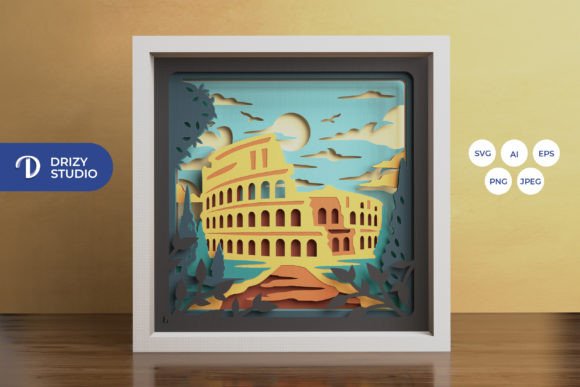
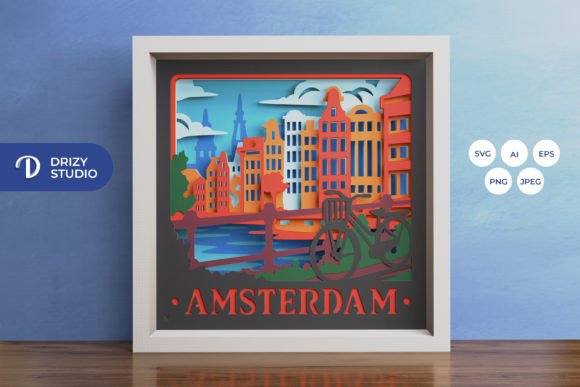
The immediate visual impact of the Amsterdam Canal 3D Shadow Box is one of refined elegance. Unlike playful or rustic designs that cater to broad, general audiences, this piece feels premium and decorative. The intricate layering mimics the depth of physical shadow box art, creating a sense of luxury that translates well into digital formats. For sellers targeting buyers interested in architecture, travel memorabilia, or sophisticated home decor, this asset hits the mark. It does not scream for attention with bright, neon colors; instead, it relies on structural complexity and mood. This makes it ideal for customers seeking a calm, curated aesthetic for their living spaces or personalized gifts.
When evaluating the visual personality, I found it to be distinctly modern yet timeless. It avoids the trap of looking like a generic tourist souvenir. Instead, it feels like a piece of commissioned art. This distinction is crucial for small business branding. If your shop positions itself as a provider of high-end digital downloads or bespoke printable design files, this asset reinforces that brand identity. It attracts buyers who are willing to pay more for perceived quality and artistic merit.
Commercial Applications for Online Sellers
The versatility of a 3D SVG file lies in its adaptability across various product types. During my testing phase, I explored several avenues where the Amsterdam Canal 3D Shadow Box could generate revenue. For Etsy sellers and print-on-demand entrepreneurs, the primary application is physical decor. The file is structured to be cut from cardstock or acrylic, allowing crafters to create tangible Shadow Boxes that serve as wall art or table centerpieces. However, the commercial potential extends far beyond paper crafts.
- Sublimation Design: By flattening the layers into a single PNG design, you can create stunning graphics for mugs, tote bags, and tumbler wraps. The depth effect remains visible even in 2D prints if color gradients are applied correctly.
- Greeting Cards and Invitations: The square format works perfectly for premium greeting cards. Imagine this canal scene as the focal point of a wedding invitation suite for a destination wedding in Europe.
- Canva Template Integration: You can incorporate the PNG version into Canva template bundles for travel bloggers or agencies needing sophisticated social media graphics.
- Sticker Design: While complex, simplified versions of the layers can be used for planner stickers, appealing to the organization and journaling community.
For Cricut users and Silhouette owners, the value is in the precision of the cut files. A well-optimized SVG design allows for clean cuts without excessive weeding time. This asset, when properly prepared, offers a satisfying build experience for hobbyists, which leads to positive reviews and repeat customers.
Enhancing Product Presentation and Trust
In the crowded creative marketplace, presentation is everything. The Amsterdam Canal 3D Shadow Box excels in product mockup scenarios. Because the design implies depth, it photographs beautifully. When creating listing images, I recommend using lighting that casts soft shadows to emphasize the layered nature of the cut. This enhances the perceived value of the item. A flat image might look like a simple silhouette, but a well-lit mockup reveals the craftsmanship inherent in the design.
This visual storytelling builds customer trust. Buyers need to understand what they are purchasing, especially with digital items. By showing the asset in a framed context, on a mantle, or as part of a gallery wall, you help the customer visualize the end result. This reduces hesitation and can improve your click-through potential. Furthermore, using this asset in a themed design bundle—perhaps paired with other European landmarks—creates a cohesive collection that encourages larger average order values.
Strategic Placement and Cautionary Notes
While the asset is powerful, it is not universal. Understanding where it works best is key to maximizing sales. It shines in large product previews, such as framed wall art prints or large-format sublimation panels. It also works well in decorative layouts where whitespace is abundant, allowing the intricate details to breathe. However, there are areas where caution is required.
Avoid using the full, complex 3D SVG for tiny applications. On small sticker designs or low-resolution print products, the fine details may blur or become indistinguishable. Similarly, be cautious with crowded thumbnails. If your Etsy thumbnail is cluttered with text and other elements, the nuance of the canal scene will be lost. Ensure there is sufficient contrast between the design and the background. On dark backgrounds, you may need to adjust the layer colors to maintain visual hierarchy and ensure the cut lines are visible.
For Cricut project enthusiasts, verify the cut quality before publishing. Complex internal cuts can sometimes cause tearing if the material is too thin. I recommend advising customers to use heavier cardstock or acrylic for the best results. This proactive communication reduces customer support queries and negative feedback.
Practical Seller Notes for Implementation
Before listing any product featuring the Amsterdam Canal 3D Shadow Box, rigorous testing is essential. Here is my checklist for ensuring a professional launch:
- Test on Real Mockups: Do not rely solely on digital renderings. Print a prototype if possible, or use high-quality photorealistic mockups to check scale and proportion.
- Background Compatibility: Preview the PNG design on both white and dark backgrounds. Ensure transparency is clean and edges are smooth.
- Font Pairing: When adding text for t-shirt design or mug design variations, pair the intricate illustration with clean typography. A modern sans serif font or a delicate script font often complements the architectural lines better than a heavy display font.
- File Organization: If selling as a digital product, organize your files clearly. Include separate folders for SVG, PNG, and DXF formats. Clear labeling enhances the user experience and reflects well on your handmade business.
- Licensing Verification: Always confirm the commercial license terms. Ensure you have the right to sell finished physical products or digital derivatives based on this illustration.
In conclusion, the Amsterdam Canal 3D Shadow Box is a robust graphic design asset for creators aiming to elevate their shop’s aesthetic. It requires a strategic approach to marketing and product selection, but for those willing to invest in quality presentation, it offers significant potential for differentiation in the digital download space. By focusing on premium applications and clear customer guidance, you can turn this single design into a cornerstone of a profitable, themed collection.