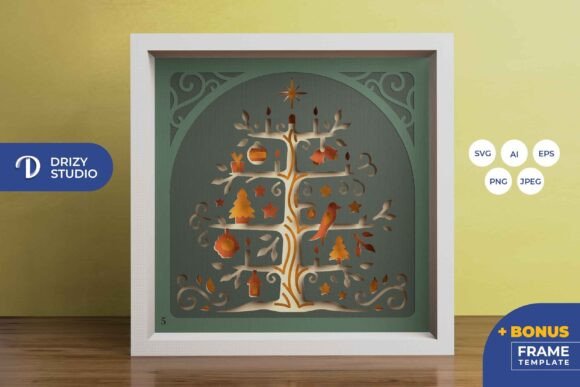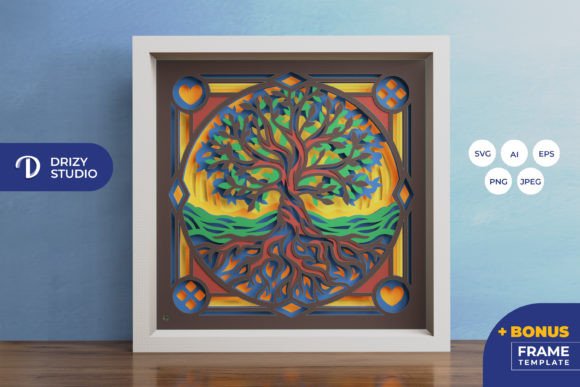
Reviewing the Tree of Life 3D Shadow Box Design
As a designer who has spent years digitizing and testing embroidery patterns, I approach every new file with a mix of curiosity and skepticism. We have all been there: you download a stunning digital embroidery file, load it onto your machine, and hope it translates as beautifully in thread as it did on the screen. Recently, I evaluated the Tree of Life 3D Shadow Box to determine its viability for real-world projects. This is not just a graphic; it is a layered concept that demands careful consideration before it hits the fabric.
The first impression of the Tree of Life 3D Shadow Box is one of depth and intricacy. Unlike standard flat motifs, this design mimics the aesthetic of paper-cutting art, where layers create shadows and dimension. For an embroidery designer, this presents both an opportunity and a challenge. The visual personality is organic yet structured, making it suitable for projects that require a touch of sophistication. It does not scream for attention with loud colors but rather invites closer inspection through its structural complexity.
Visual Appeal and Stitching Clarity
When assessing any embroidery file, I look at how the lines translate to stitches. The Tree of Life motif is inherently detailed, with branching roots and canopy leaves that can easily become a muddy mess if the stitch density is too high. In my review, I focused on how the design handles these transitions. A well-digitized version of this theme should utilize a combination of fill stitch for broader areas and running stitch or light satin stitch for finer details to maintain clarity.
The "3D" aspect of the Tree of Life 3D Shadow Box relies heavily on contrast. In embroidery, we do not have actual physical layers of paper, so we must simulate depth through thread placement and color choice. If you are using this for a custom apparel project, such as a high-end boutique sweatshirt, the design’s success depends on your ability to select thread colors that differentiate the foreground from the background. A monochromatic scheme can look elegant, but it risks losing the definition of the layers. Conversely, using contrasting thread colors can highlight the shadow box effect, making the tree appear to pop off the garment.
Real-World Application Scenarios
I tested the conceptual fit of this design across several common product categories. Here is where I believe the Tree of Life 3D Shadow Box shines:
- Tote Bag Design: Canvas bags provide a stable, textured surface that holds heavy stitching well. The intricate nature of the tree looks substantial on a tote, turning a simple grocery bag into a statement piece.
- Sweatshirt Embroidery: On a heavyweight cotton blend, this design acts as a focal point. It works particularly well for centered chest placements or larger back prints, offering a spiritual or nature-inspired vibe that resonates with current trends.
- Nursery Decor and Baby Embroidery: The Tree of Life is a popular motif for newborn gifts. However, for baby embroidery, I would recommend scaling down the complexity or using softer pastel threads to keep the aesthetic gentle rather than overwhelming.
- Personalized Gift Items: Whether it is a pillow cover or a kitchen towel, the design adds a handmade touch that elevates the perceived value. Customers often associate complex-looking designs with higher quality, which benefits Etsy sellers and small shop product creators.
For those running a craft business, this design fits well into the "boho" or "earth-conscious" niche. It appeals to buyers looking for meaningful symbols rather than just decorative fluff. When creating printable mockup assets for your online store, ensure you showcase the texture of the stitches to prove the quality of the finished product.
Technical Considerations and Fabric Constraints
While the aesthetic is strong, practical application requires caution. The Tree of Life 3D Shadow Box is not a one-size-fits-all solution. Here are specific scenarios where you need to proceed with care:
Fabric Texture and Stability: This design likely involves significant stitch counts due to its layered appearance. Using it on thin or stretchy fabrics without proper support is a recipe for puckering. Always use a cut-away stabilizer for knit fabrics like t-shirts or sweatshirts. For woven fabrics like linen or cotton, a tear-away might suffice, but test it first. The fabric texture plays a huge role; a rougher fabric can hide minor imperfections, while smooth satin will reveal every tension issue.
Hoop Size Limitations: Before purchasing or downloading, confirm the available hoop size options. A design this detailed needs space to breathe. If you attempt to shrink it too much for a small embroidered patch or a cap front, the fine branches may merge, losing the distinct "shadow box" layering effect. Small hoop sizes require simplified versions of such intricate artwork.
Curved Surfaces: Applying this to caps or hats requires expertise. The curvature of a cap can distort the symmetrical balance of the tree. If you are an experienced decorator, you know to adjust the pull compensation, but for beginners, I recommend sticking to flat surfaces like aprons, towels, or tote bags until you master the tension requirements.
Enhancing Brand Consistency and Value
For commercial embroidery professionals, consistency is key. The Tree of Life 3D Shadow Box can become a signature element of your brand if used correctly. It conveys a sense of growth, connection, and stability. When customers see this level of detail, it builds trust. They perceive the item as a premium handmade product rather than a mass-produced commodity.
To maximize buyer engagement, consider how you present the design. Use high-quality lighting in your photos to capture the sheen of the threads. If you are selling design assets or finished items, explain the symbolism behind the tree. Storytelling adds value. A customer buying a holiday embroidery gift is not just buying a shirt; they are buying a symbol of family roots and enduring strength.
Practical Designer Notes for Implementation
Before you commit to a large production run or a client order, follow these steps to ensure success with the Tree of Life 3D Shadow Box:
- Test on Scrap Fabric: Never skip this step. Stitch the design on the exact fabric type you plan to use for the final product. Check for puckering, thread breaks, or bobbin show-through.
- Check Thread Color Contrast: Create a digital mockup in black and white first. If the design loses its definition in grayscale, it will likely look flat in real life. Ensure your color choices provide enough contrast to distinguish the layers.
- Review Stitch Density: If the file allows for editing, check the density settings. Too dense, and the fabric will stiffen; too sparse, and the backing will show. Adjust based on your thread weight.
- Verify Licensing: If you are an Etsy seller or run a small shop, confirm the license terms. Can you sell finished products? Are there restrictions on quantity? Always respect intellectual property rights when using third-party design assets.
- Inspect Small Details: Zoom in on the digital file. Are the tiniest branches realistic to stitch? If they are thinner than your needle can handle, you may need to simplify those areas or remove them entirely.
In conclusion, the Tree of Life 3D Shadow Box is a compelling choice for designers who want to offer something beyond the ordinary. It bridges the gap between traditional embroidery and modern, layered art styles. By paying attention to fabric choice, stabilizer use, and color contrast, you can transform this digital file into a stunning physical object. Whether for a personalized gift, a boutique clothing line, or home decor, this design holds the potential to impress. Just remember: the magic lies in the execution. Take the time to test, adjust, and refine, and your embroidery project will reflect the professionalism and care that today’s customers demand.