Camellia Japonica: A Designer’s Review
As an embroidery designer who has spent years digitizing patterns and testing them on everything from stiff denim to delicate silk, I approach every new machine embroidery design with a mix of curiosity and skepticism. We have all been there: you download a beautiful digital embroidery file, only to find that the stitch density is too high for the fabric, or the details vanish once the needle hits the cloth. That is why I took a close look at Camellia Japonica. While the product description highlights its origins as part of the “Paper Flowers” collection by Maison Gregoria, my interest lies in how this aesthetic translates into thread and fabric for real-world applications.
First Impressions: Elegance Meets Practicality
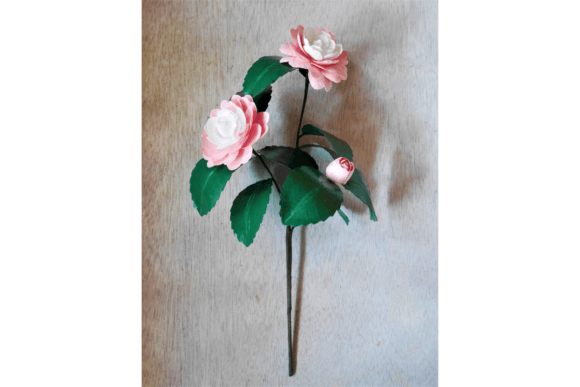
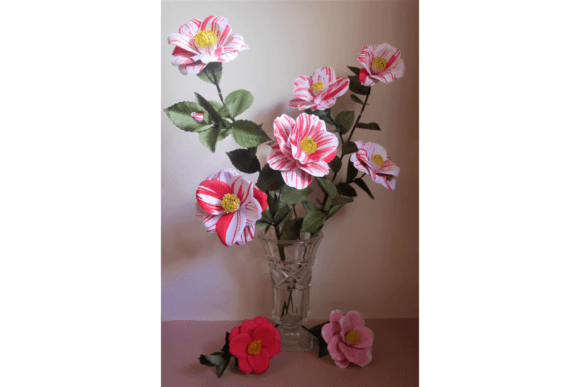
The first thing that strikes you about Camellia Japonica is its visual personality. It does not scream for attention with chaotic lines; instead, it offers a timeless elegance that feels both classic and modern. The layout suggests a focus on intricate details, which is crucial for a flower known for its layered petals. In the context of a 3D SVG or digital asset, this level of detail usually signals a need for precision. For us embroiderers, this means the design likely relies on a careful balance of satin stitch for the petal edges and fill stitch for the body of the flower to create depth.
I immediately thought about where this design would fit best. It is not a loud, cartoonish graphic suitable for a child’s sports jersey. Rather, it exudes a sophistication that aligns perfectly with boutique branding, wedding gifts, and high-end home decor. The mood it creates is one of calm refinement, making it an ideal candidate for projects where the finished product needs to feel expensive and thoughtful.
Real-World Application: The Custom Tote Bag Test
To truly evaluate a design, you must imagine it in a specific scenario. I recently worked on a custom order for a local bookstore owner who wanted to elevate her tote bag design offerings. She needed something that would appeal to literary enthusiasts who appreciate subtle beauty. Camellia Japonica came to mind immediately. I envisioned placing the camellia slightly off-center on a heavy canvas tote, using muted thread colors like dusty rose, sage green, and cream.
In this application, the design’s clarity is paramount. A sweatshirt embroidery project would also benefit from this layout, particularly on the left chest area where space is limited but impact is desired. The intricate details of the camellia allow it to stand out even at a smaller scale, provided the stitch density is managed correctly. For a personalized gift, such as a monogrammed apron or a kitchen towel, the organic shape of the flower adds a handmade touch that machine-perfect geometric shapes often lack.
Navigating Fabric and Technique Challenges
However, beauty in a digital preview does not always guarantee success in the hoop. When working with a design as detailed as Camellia Japonica, you must consider the fabric texture. On textured fabrics like linen or terrycloth, fine details can get lost. I recommend using a cut-away stabilizer to provide a firm foundation, ensuring that the running stitch outlines remain crisp and do not sink into the fabric pile.
There are also situations where you should use caution. If you are attempting baby embroidery on soft, stretchy knits, the density of the fill stitches might cause puckering. In such cases, I advise testing the design on scrap fabric first. Additionally, if you are working on curved surfaces like caps or hats, the placement of the camellia needs to be adjusted to avoid distortion. The layered petals, which give the flower its 3D appearance, could bunch up if the hoop tension is not perfectly balanced.
Dark fabrics present another challenge. If you are stitching on black or navy, you must ensure high contrast in your thread colors. A low-contrast palette might make the intricate details of the camellia disappear, turning a stunning floral into a vague blob. Always test your color combinations in black and white mockups before threading the machine. This simple step can save hours of frustration and wasted thread.
Commercial Value and Brand Consistency
For Etsy sellers and craft business owners, the choice of design directly impacts perceived value. Camellia Japonica has the potential to increase customer trust because it looks professional and intentional. When a buyer sees a well-executed floral design on a custom apparel item or a pillow cover, they associate that quality with the brand. This is essential for building a loyal customer base.
Moreover, this design fits seamlessly into various commercial categories. It works beautifully for holiday embroidery projects, especially for spring-themed collections or Mother’s Day gifts. It can also serve as a standalone embroidered patch, which is a popular item in small shop products. The versatility of the camellia allows it to be used in printable mockup previews effectively, helping online sellers showcase their products in a lifestyle context without needing to stitch every single sample.
Practical Notes for the Embroiderer
Before you commit to using Camellia Japonica in a large production run or a high-stakes client project, here are some practical steps to ensure success:
- Check the License: Always confirm the licensing terms. Whether you are selling finished items or using the design for commercial purposes, understanding the rights associated with the design assets is crucial.
- Test Stitch Density: Run a test on the actual fabric you plan to use. Pay attention to how the machine handles the transition between dense fill areas and finer details.
- Hoop Size Matters: Ensure your hoop size accommodates the design with enough margin for stabilization. Crowding the design near the edge of the hoop can lead to misalignment.
- Thread Quality: Use high-quality rayon or polyester threads to capture the sheen and depth of the camellia petals. Cheap thread can fray and dull the visual appeal.
- Inspect Small Details: Zoom in on the digital file. Look for any potential jump stitches or overly complex nodes that might cause thread breaks.
In conclusion, Camellia Japonica is a strong contender for designers looking to add a touch of refined nature to their portfolio. It requires respect for the materials and a keen eye for detail, but the reward is a handmade product that feels both luxurious and authentic. Whether you are creating a baby item, a sophisticated tote bag, or a bespoke wedding gift, this design offers the versatility and elegance needed to stand out in a crowded market. Just remember: the magic happens not just in the download, but in the careful execution of each stitch.