Camellia 3D SVG Paper Flowers Review
As a digital publisher who has spent over a decade refining the visual identity of high-traffic blogs and editorial platforms, I have learned that design assets are not merely decorative. They are functional tools that dictate reader retention, click-through rates, and brand authority. When I first encountered Camellia, my immediate reaction was one of relief mixed with creative excitement. In a market saturated with flat, generic vector art, this collection offers a tangible sense of depth and sophistication that is increasingly rare in the creative marketplace.
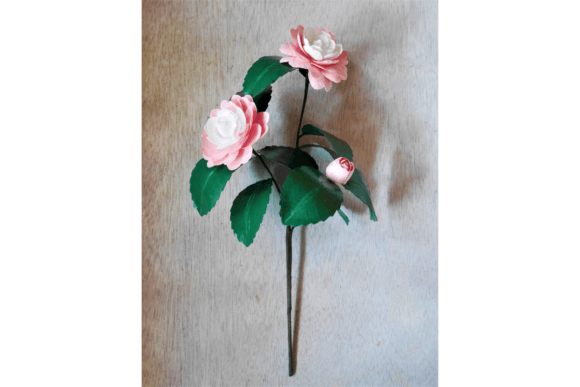
Introducing the “Camellia” paper flowers from Maison Gregoria, we see where the timeless elegance of one of the most beloved garden flowers is brought to life through exquisite paper crafting. These paper creations are not just static images; they are meticulously engineered 3D SVG files that replicate the delicate layering and shadow play of real botanical specimens. For a blog designer, this means the difference between a page that looks like a template and a page that feels like a curated magazine spread.
Establishing an Editorial Mood with Botanical Depth
The first thing you notice about Camellia is its ability to set a specific tonal baseline. It does not scream for attention with neon colors or chaotic shapes. Instead, it whispers luxury and calm. This makes it an ideal graphic design asset for niches that rely on trust and aspiration, such as lifestyle blogging, wedding planning, high-end interior design, and mindful living. The aesthetic is distinctly feminine yet professional, avoiding the trap of looking childish or overly playful.
When integrated into editorial design, these elements create a soft, inviting atmosphere. They signal to the reader that the content behind the headline is thoughtful and well-produced. This perception is crucial for content marketing strategies where the goal is to build a long-term relationship with the audience rather than just securing a single click. The intricate details of the Paper Flowers suggest a level of care that transfers subconsciously to the written content they accompany.
Real-World Publishing Applications
From a workflow perspective, versatility is king. I tested Camellia across several key touchpoints in a standard publishing pipeline. Here is how it performs in real-world scenarios:
- Blog Featured Images: The layered structure of the SVGs allows for stunning hero images. When placed behind a bold serif headline, the flowers provide texture without compromising readability.
- Pinterest Graphics: Pinterest is a visual search engine where vertical aesthetics dominate. The tall, elegant structure of the camellia blooms fits perfectly into pin templates, offering a unique visual hook that stands out against flat illustrations.
- Newsletter Headers: Email clients often strip complex styling, but embedding these as optimized images adds a premium feel to weekly digests, increasing open rates through visual appeal.
- Digital Products: If you sell digital guides, eBooks, or worksheets, using Camellia on your covers and internal chapter breaks elevates the perceived value of the product. It transforms a simple PDF into a polished printable design.
- Social Media Graphics: For Instagram carousels or LinkedIn banners, these assets provide a consistent visual thread that strengthens brand identity across platforms.
Impact on Visual Hierarchy and Performance
One of the most critical aspects of web design is visual hierarchy—guiding the eye to what matters most. Camellia excels here because its organic shapes naturally frame content. Unlike rigid geometric borders, these flowers draw the eye inward toward the text or call-to-action button. This subtle directional cue can significantly improve click-through potential on landing pages and affiliate links.
Furthermore, consistency breeds trust. By using a cohesive set of design assets like Camellia across your website header, category thumbnails, and lead magnet covers, you create a recognizable visual signature. Readers begin to associate this specific aesthetic with your voice and expertise. In the crowded space of affiliate marketing, this distinct small business branding can be the deciding factor between a bounce and a conversion.
Strategic Placement and Cautionary Notes
While Camellia is versatile, it is not a universal solution. Understanding where to use it—and where to avoid it—is part of professional commercial design strategy.
Where it works best:
- Hero Sections: Large-scale displays allow the intricate paper-cut details to shine.
- Category Visuals: Use them to differentiate blog categories, adding a splash of organic beauty to archive pages.
- Content Upgrades: Enhance the appeal of freebies and checklists to boost email signups.
Where to use caution:
- Small Mobile Thumbnails: The fine details of 3D SVG layers can become muddy at very small sizes. Ensure you simplify the view or increase contrast for mobile feeds.
- Text-Heavy Layouts: Do not place these busy floral elements directly behind dense paragraphs. They compete for cognitive attention. Use them as accents in white space instead.
- Corporate or Serious Niches: If your brand voice is strictly data-driven, industrial, or minimalist tech-focused, the softness of Paper Flowers may clash with your established tone.
Practical Publisher Notes for Implementation
Before deploying Camellia across your entire site, I recommend a rigorous testing phase. First, preview the assets on both desktop and mobile screens. What looks balanced on a 27-inch monitor might feel overwhelming on a smartphone. Check how the flowers interact with your primary typography. I found they pair exceptionally well with elegant serif fonts and clean sans-serifs, but they can get lost against overly decorative script fonts.
Performance is another key consideration. While SVGs are inherently scalable and lightweight, ensure you are serving optimized versions for web use. Compress images properly to maintain fast load times, which is a critical ranking factor for SEO. Additionally, always verify the commercial license terms. Since Camellia is a digital download intended for creative professionals, confirm that your intended use—whether for client work, monetized blogs, or sold products like Canva templates—is covered under the agreement.
Finally, experiment with color variations. Try the assets in black and white to see how they function as structural elements rather than just colorful decorations. This monochrome approach can be particularly effective for modern design layouts that prioritize minimalism.
In conclusion, Camellia is more than just a pretty picture. It is a strategic tool for publishers who understand that aesthetics drive engagement. By integrating these exquisite Paper Flowers into your blog graphics and social media graphics, you invest in a higher standard of visual communication that respects your reader’s intelligence and appetite for beauty.