Japanese Anemones: A Designer’s Review
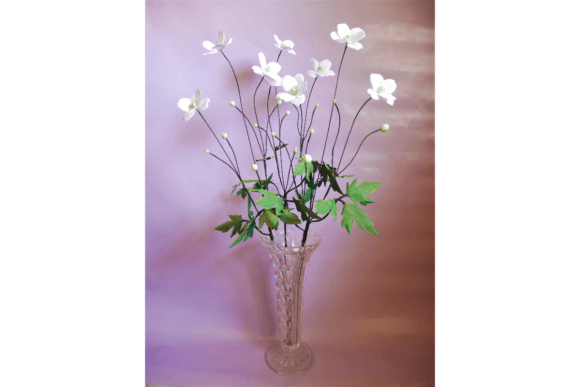
When I first opened the file for Japanese Anemones by Maison Gregoria, my immediate reaction was one of quiet appreciation. In a market saturated with loud, overly complex patterns, this design breathes. It presents a serene and elegant paper floral arrangement, showcasing the simplicity and purity of white anemones. As an experienced designer who spends half my life tweaking stitch paths and the other half managing client expectations, I look for designs that do the heavy lifting visually without requiring heroic efforts in hoop management. This piece feels like it belongs in that rare category of assets that elevate a product simply by existing on it.
The Aesthetic First Impression
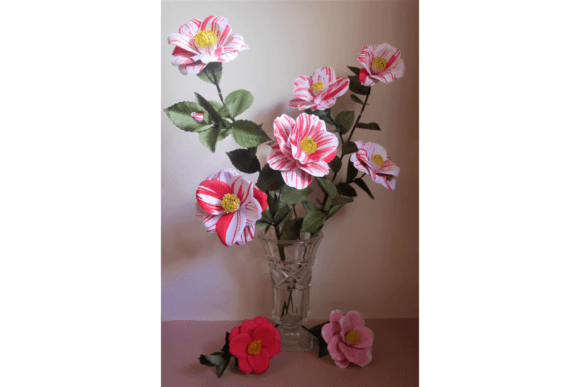
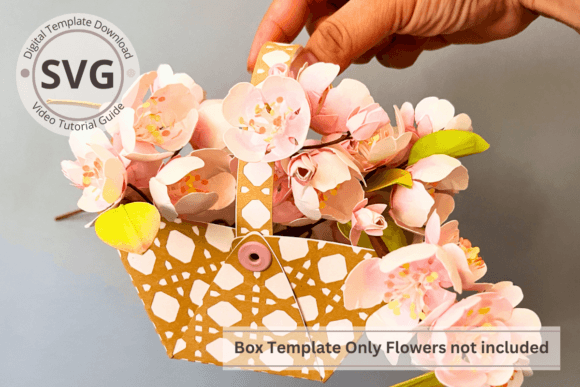
The visual personality of Japanese Anemones is distinct. It does not scream for attention; instead, it invites a closer look. The layout suggests a meticulous craft, mimicking the delicate structure of paper flowers. For those of us working in the realm of Paper Flowers or botanical-inspired art, this translation into a 3D SVG format is intriguing. It implies depth and layering, which is crucial when you are trying to create dimensionality on flat fabric.
The mood here is sophisticated and calm. It is not a childish motif, nor is it aggressively rustic. It sits comfortably in a modern, minimalist aesthetic. When I envision this as a machine embroidery design, I see clean lines and thoughtful spacing. The simplicity of the white anemones means that the success of the final finished product will rely heavily on execution—specifically, the quality of the stitches and the choice of thread. There is nowhere for poor tension or messy bobbin work to hide in such a clean design, which is both a challenge and a testament to its elegance.
Real-World Application: The Custom Tote Scenario
To truly evaluate an embroidery file, I always run a mental simulation of a real client project. Let’s say a boutique client approaches me for a line of canvas tote bags for a spring launch. They want something that feels organic but polished. Japanese Anemones fits this brief perfectly. Imagine this design stitched onto a natural, unbleached cotton canvas. The contrast between the crisp, white threads of the anemones and the textured, earthy background creates an instant sense of high-end craftsmanship.
In this scenario, the design acts as the hero element. Because the floral arrangement is centered and balanced, it works beautifully as a standalone tote bag design. It doesn’t need extra filler text or distracting borders. For an Etsy seller or small shop owner, this is valuable. It reduces production time because there are fewer color changes and less trimming involved compared to a dense, multi-colored bouquet. The result is a handmade product that looks professional and intentional, increasing perceived value without increasing labor costs significantly.
Versatility Across Products
Beyond totes, where else does this design shine? I see strong potential in sweatshirt embroidery. Placed on the left chest of a high-quality, heavyweight cream or sage green sweatshirt, Japanese Anemones adds a subtle touch of femininity and refinement. It transforms a basic garment into a custom apparel piece that feels boutique-ready. The scale seems appropriate for this placement—not so large that it distorts the fabric, but detailed enough to be noticed.
For baby embroidery, the softness of the anemone shape is ideal. On a muslin swaddle or a linen onesie, the design conveys gentleness. However, here we must consider the stitch density. If the original file is optimized for home decor weight fabrics, it might be too dense for delicate baby knits. This leads me to a critical point about adaptation.
I also envision this as an embroidered patch. If digitized with a satin stitch border, it could be ironed onto denim jackets or canvas backpacks. The "paper flower" aesthetic translates well to the structured look of a patch. For holiday embroidery, particularly spring celebrations like Easter or Mother’s Day, this design serves as a timeless personalized gift option. It avoids specific holiday clichés, making it versatile for year-round sales in a craft business.
Technical Considerations and Fabric Choices
While the design is beautiful, practical application requires caution. The purity of the white anemones means that thread colors must be chosen with precision. Using a stark white thread on a bright white fabric can result in the design disappearing. Conversely, using an off-white or cream thread on a dark fabric might lack the necessary pop. I recommend testing various shades of white, ivory, and even pale pastels against your intended fabric base.
Fabric texture plays a massive role here. On smooth quilting cotton or polished linen, the stitches will lay flat and crisp. On highly textured fabrics like terry cloth or rough burlap, the finer details of the anemone petals might get lost. If you are stitching on stretchy fabrics, such as jersey for t-shirts, a proper stabilizer is non-negotiable. Without it, the intricate curves of the flowers could pucker, ruining the serene aesthetic.
Regarding hoop size, ensure your machine can accommodate the full width of the arrangement. Crowding this design into a small 4x4 hoop might compromise the spacing between the flowers, making the design look cluttered rather than airy. Always check the dimensions provided in the digital embroidery file package before committing to a specific garment.
Commercial Viability and Branding
For commercial embroidery projects, consistency is key. Japanese Anemones offers a level of sophistication that helps build brand trust. When customers see a clean, well-executed floral design, they associate it with quality. This is crucial for small shop product lines where repeat business depends on customer satisfaction.
Using this design in printable mockup previews can also boost online engagement. The elegant nature of the flowers photographs well, allowing design assets to shine in social media posts. Whether you are selling the physical embroidered patch or the digital file itself, the visual appeal drives clicks. However, always confirm the licensing terms. If you are an Etsy seller planning to sell finished items, ensure the license from Maison Gregoria covers commercial use of the stitched products.
Final Designer Notes
Before running a full production batch, always test the design on scrap fabric identical to your final material. Check the stitch density to ensure it doesn't perforate lightweight fabrics. Inspect the small details—are the petal tips sharp, or do they bunch up? Compare the look on light and dark backgrounds to determine if you need to adjust thread weights or types.
Japanese Anemones is a strong contender for designers seeking elegance over excess. It respects the viewer’s eye and the maker’s time. By treating it with the technical care it deserves—proper stabilization, thoughtful thread selection, and appropriate fabric pairing—you can create a finished product that stands out in a crowded marketplace. It is a reminder that sometimes, the most impactful designs are those that embrace simplicity.