Dinosaur Favor - 3d Papercraft: A Designer’s Review
As an embroidery designer who spends half my life staring at digitized files and the other half troubleshooting thread breaks, I approach every new asset with a healthy dose of skepticism. We are constantly bombarded with digital embroidery files that look fantastic in a thumbnail but fall apart under the needle. Today, I am taking a close look at Dinosaur Favor - 3d Papercraft. While the title suggests a paper-based project, evaluating this through the lens of a stitcher reveals interesting insights about shape, structure, and commercial viability.
First Impressions: Structure Meets Whimsy
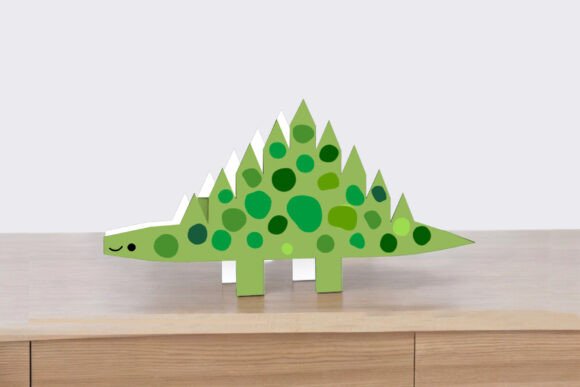
When I first pulled up the preview for Dinosaur Favor - 3d Papercraft, my immediate reaction was to analyze the geometry. In the world of Shapes, this design leans heavily into structural integrity. The visual personality is playful yet precise, capturing that distinct "papercraft" aesthetic where flat planes meet to create depth. For an embroidery professional, this translates to a need for clean lines and defined edges. The mood it creates is nostalgic and tactile, reminiscent of childhood craft tables and handmade treasures.
The layout suggests a high level of detail, which is both a blessing and a curse in machine embroidery. The theme is universally appealing—dinosaurs are perennial bestsellers in the baby embroidery and kids' apparel market. However, the "3D" aspect of the original concept challenges us to think about how we translate dimensionality into thread. Does it rely on fill stitch density to create shadow? Or does it use running stitch outlines to define the folds? Understanding this visual language is crucial before hooping up.
Real-World Application: From Screen to Stitch
Let’s move beyond theory and talk about actual production. Imagine you are preparing a custom order for a local boutique. They want a line of custom apparel for a dinosaur-themed birthday party. You consider using Dinosaur Favor - 3d Papercraft as the central motif on a tote bag design or a kid’s sweatshirt embroidery piece.
In this scenario, the design’s clarity is paramount. If the original file is intended for paper assembly, as hinted by the description mentioning "Assembling Time – 30 minutes" and tools like "Craft knife" and "Scorer," we must adapt our expectations. As embroiderers, we aren't gluing paper; we are stitching fabric. Therefore, the value here lies in the silhouette and the graphic quality of the 3D SVG style. If you are using this as a reference for digitizing your own applique design, the sharp angles and geometric facets provide an excellent roadmap for creating a modern, low-poly look.
For Etsy sellers and small shop product creators, this aesthetic fits perfectly into the current trend of minimalist, geometric nursery decor. It works well on pillow covers or tea towels where a clean, crisp image is preferred over photorealistic shading. The finished product would appeal to parents looking for something stylish rather than cartoonish.
Navigating Technical Challenges
Here is where my experience as a reviewer comes into play. You cannot simply drop any file into your machine and expect perfection. With a design inspired by 3D papercraft, you must be wary of stitch density. If the digitizer has attempted to mimic the shadows of folded paper using dense satin columns, you risk puckering, especially on lighter fabrics.
I recommend testing this design on scrap fabric first. Pay close attention to how the thread colors interact. High-contrast threads will emphasize the geometric "folds," while monochromatic threads will soften the look, making it more subtle. If you are stitching on a stretchy fabric like a jersey t-shirt, a cut-away stabilizer is non-negotiable to maintain the sharpness of the shapes. On textured fabrics like linen or canvas, ensure the hoop size is large enough to keep the material drum-tight, preventing distortion in those critical corner details.
Be cautious with small hoop sizes. If the design includes tiny lettering or intricate corners typical of papercraft templates, these may not stitch out cleanly at a reduced scale. Always check the minimum recommended size. If the original product description notes an assembled size of "10 x 21 x 7 CMS," this gives you a physical reference for proportion, but remember that embroidery scales differently than paper. A 10cm width might be too large for a baby onesie chest but perfect for a embroidered patch or a backpack panel.
Commercial Viability and Brand Consistency
For commercial embroidery professionals, consistency is key. Does Dinosaur Favor - 3d Papercraft fit your brand? If your shop specializes in whimsical, hand-drawn styles, this geometric approach might feel out of place. However, if your brand identity is modern, clean, and architectural, this design is a strong asset. It enhances product value by offering a unique visual twist on a common subject.
Customer trust is built on quality. A poorly stitched design with loose threads or misaligned colors can damage your reputation. Before listing this as a personalized gift option, run multiple tests. Check it on dark fabric to see if underlay stitches show through. Test it on curved surfaces like caps, keeping in mind that the rigid geometry of the design might distort if the cap fabric shifts during stitching.
Practical Notes for the Modern Maker
Before you commit to a full production run, here are my top recommendations for working with this type of design:
- Verify File Formats: The product description mentions "PDF" and "3D SVG." Ensure you have the correct machine embroidery design file format (such as PES, DST, or EXP) for your specific machine. Do not attempt to stitch a PDF directly.
- Check Licensing: Always confirm whether the license allows for craft business use. Some digital assets are for personal use only, while others permit selling finished items.
- Mockup Testing: Use printable mockups to visualize the design on different products. Compare how it looks on a white tote versus a navy sweatshirt.
- Detail Inspection: Zoom in on the digitized file. Look for unnecessary jump stitches or overly complex paths that could increase production time without adding visual value.
- Fabric Selection: This design likely performs best on stable, woven fabrics like cotton twill or canvas. Avoid slippery silks or loosely knitted sweaters unless you have advanced stabilizing techniques.
In conclusion, Dinosaur Favor - 3d Papercraft offers a fascinating intersection of paper art logic and textile potential. For the savvy design assets collector, it serves as a reminder that inspiration can come from unexpected places. By understanding the structural roots of the design, you can make informed decisions about thread colors, stabilizers, and placement. Whether you are creating holiday embroidery gifts or stocking your Etsy seller store with unique items, this design demands respect for its geometry. Treat it with the right technical preparation, and it can become a standout piece in your portfolio.
Remember, the best embroidery project is one where the technology serves the art. Keep your needles sharp, your tension balanced, and your creative vision clear.