Adventure Car in the Mountains 3D SVG Shadow Boxes
When a client approaches me with a brief for an outdoor lifestyle brand, they are rarely just asking for a logo. They are asking for a feeling. They want their audience to feel the crisp mountain air, the freedom of the open road, and the tactile joy of exploration. This is where Adventure Car in the Mountains 3D enters the conversation. As a graphic designer who has spent years refining brand identities for small businesses and handmade ventures, I look at assets not just as images, but as functional tools. I recently reviewed this specific layered paper-cutting template to determine if it holds up under the scrutiny of a real-world commercial project. The verdict? It is a robust, versatile graphic design asset that bridges the gap between digital precision and handmade charm.
First Impressions: Mood, Style, and Visual Narrative
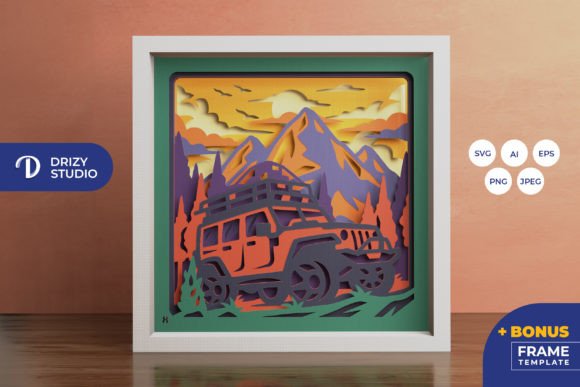
The immediate impact of the Adventure Car in the Mountains 3D design is its depth. Unlike flat clipart or standard illustrations, this asset utilizes the principles of shadow box art to create a sense of dimensionality. The visual mood is nostalgic yet modern, evoking the spirit of vintage travel posters while maintaining a clean, contemporary aesthetic suitable for modern design applications. The style represents a hybrid of intricate papercraft and vector precision. For a client launching an Etsy product line or a boutique camping gear shop, this visual narrative does the heavy lifting. It tells a story of adventure before the customer even reads the headline. It fits naturally into projects that value craftsmanship, authenticity, and outdoor enthusiasm.
Performance in Real-World Design Scenarios
A pretty image is useless if it does not function across various media. I tested this 3D SVG in several practical design situations to see how it performs. Here is where it shines:
- Packaging Design: The layered nature of the Shadow Boxes concept translates beautifully to physical packaging. Imagine this design embossed on a kraft paper box for artisanal soap or coffee blends. The distinct layers allow for interesting die-cut possibilities or spot-UV printing effects that highlight the depth of the mountains and the vehicle.
- Social Media Graphics: For Instagram posts or Pinterest pins, the high contrast and clear silhouettes grab attention in a crowded feed. It works exceptionally well as a hero graphic for seasonal campaigns, particularly those focused on fall foliage or winter getaways.
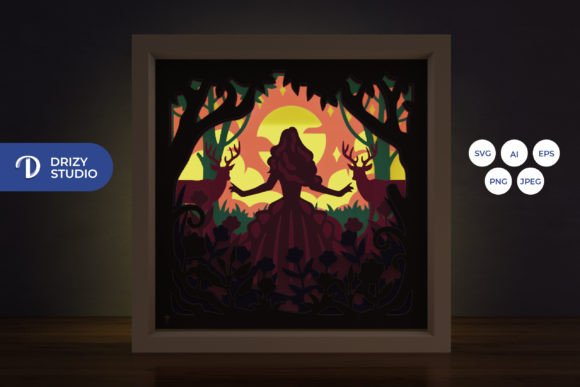
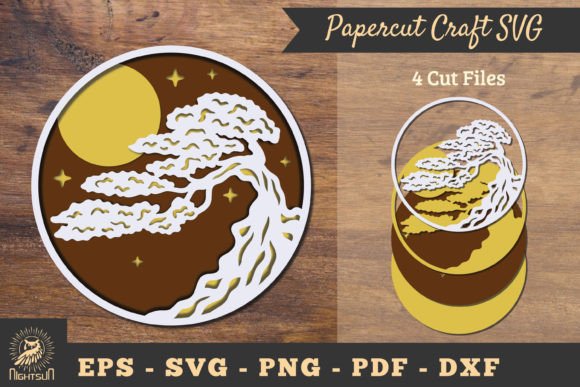
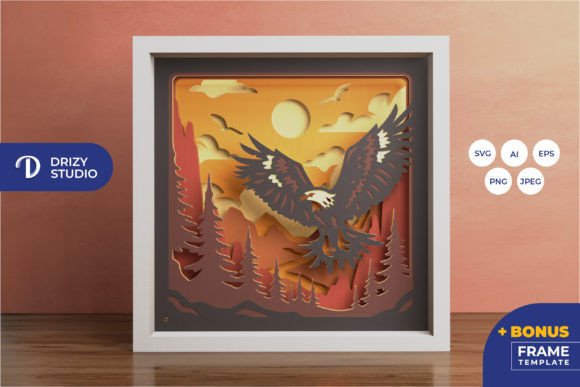
- Cricut Project and Printable Design: This is arguably its strongest use case. As a layered, square paper-cutting template, it is ready-made for crafters. Small business owners selling handmade decor will find this invaluable for creating physical shadow boxes. The file structure supports easy separation of layers for multi-color vinyl cuts or cardstock stacking.
- Merchandise and Sublimation Design: When applied to tote bags or t-shirt design, the graphic holds its integrity. However, it requires careful color management. The intricate details of the trees and mountain ridges need sufficient space to breathe, making it better suited for larger print areas on apparel rather than small pocket logos.
Strategic Placement: Where It Works Best
Understanding visual hierarchy is crucial when integrating complex assets like Adventure Car in the Mountains 3D. This design demands space. It works best in large layout areas where it can serve as the focal point. Use it for product mockups that showcase the entire design, such as a full-front poster or a wide website banner. It also excels as a decorative accent in themed collections, where the mountain motif can be repeated or varied to create a cohesive brand identity. In editorial design, it can anchor a feature article about travel, providing a strong visual hook that complements serif font headlines without competing with them.
Cautionary Notes: When to Hold Back
While versatile, this asset is not a universal fix. There are specific contexts where using Adventure Car in the Mountains 3D could hinder rather than help your design. Avoid using it in small sizes, such as favicons or mobile app icons, where the layered details will merge into an unreadable blob. It should also be used carefully in crowded layouts; placing this intricate illustration over busy backgrounds or low-contrast colors will destroy its legibility. Furthermore, for minimalist branding or professional corporate materials that require sterile, clean visual lines, this whimsical, textured style may clash with the desired tone of professionalism and corporate trust. Always prioritize clarity over decoration.
Impact on Brand Consistency and Audience Engagement
From a branding perspective, this asset enhances emotional appeal. It triggers a sense of wanderlust and comfort, which increases audience engagement for lifestyle brands. When used consistently across marketing visuals, from web design to email headers, it strengthens brand recognition. However, you must ensure it aligns with your overall brand identity. If your brand uses sleek, futuristic sans serif fonts and neon colors, this rustic, earthy illustration will feel disjointed. But for brands leaning into natural tones, handwritten font pairings, and organic textures, it reinforces visual trust and authenticity. It makes the brand feel approachable and grounded.
Practical Designer Notes for Commercial Use
Before delivering final files to a client or uploading to a creative marketplace, I always run through a rigorous checklist. Here are my technical recommendations for working with this 3D SVG:
- Test in Black and White: Strip away the color to check the structural integrity. Does the silhouette of the car remain distinct from the mountains? If the layers blend too much in grayscale, you may need to adjust spacing or contrast in your final output.
- Check Contrast on Light and Dark Backgrounds: Preview the design on both white and dark navy backgrounds. Ensure that the finest details of the trees and car windows do not disappear. You may need to add a subtle stroke or glow effect for darker backgrounds.
- Inspect File Formats: Verify that the SVG design is fully editable. Can you ungroup the layers easily in Illustrator or Inkscape? For PNG design users, check the transparency edges to ensure there are no jagged pixels or unwanted white halos.
- Typography Pairing: Compare the asset with different font styles. It pairs beautifully with bold display font titles and clean sans serif font body text. Avoid overly ornate script fonts that might compete with the intricate lines of the paper-cut style.
- Confirm Commercial License: Always review the licensing terms. If you are using this for a client’s product launch or as part of a design bundle you are selling, ensure you have the appropriate commercial license. This protects both you and your client from legal issues down the line.
- Print Quality Test: If this is for a printable design or sticker design, print a test copy at actual size. Check for ink bleed in the tightest corners of the mountain layers. Adjust line weights if necessary to ensure crisp production quality.
In conclusion, Adventure Car in the Mountains 3D is more than just a digital product; it is a strategic design tool. For designers working with small business branding, print-on-demand sellers, or content creators looking to elevate their visual storytelling, this asset offers a unique blend of depth and nostalgia. By understanding its strengths in packaging and social media, and respecting its limitations in small-scale applications, you can leverage this shadow box inspiration to create compelling, professional-grade work that resonates with audiences seeking adventure and authenticity.